


The Comprehensive Guide to ADAS:
Your Vehicle’s High-Tech Safety Eyes
What is ADAS and Why Does it Matter?
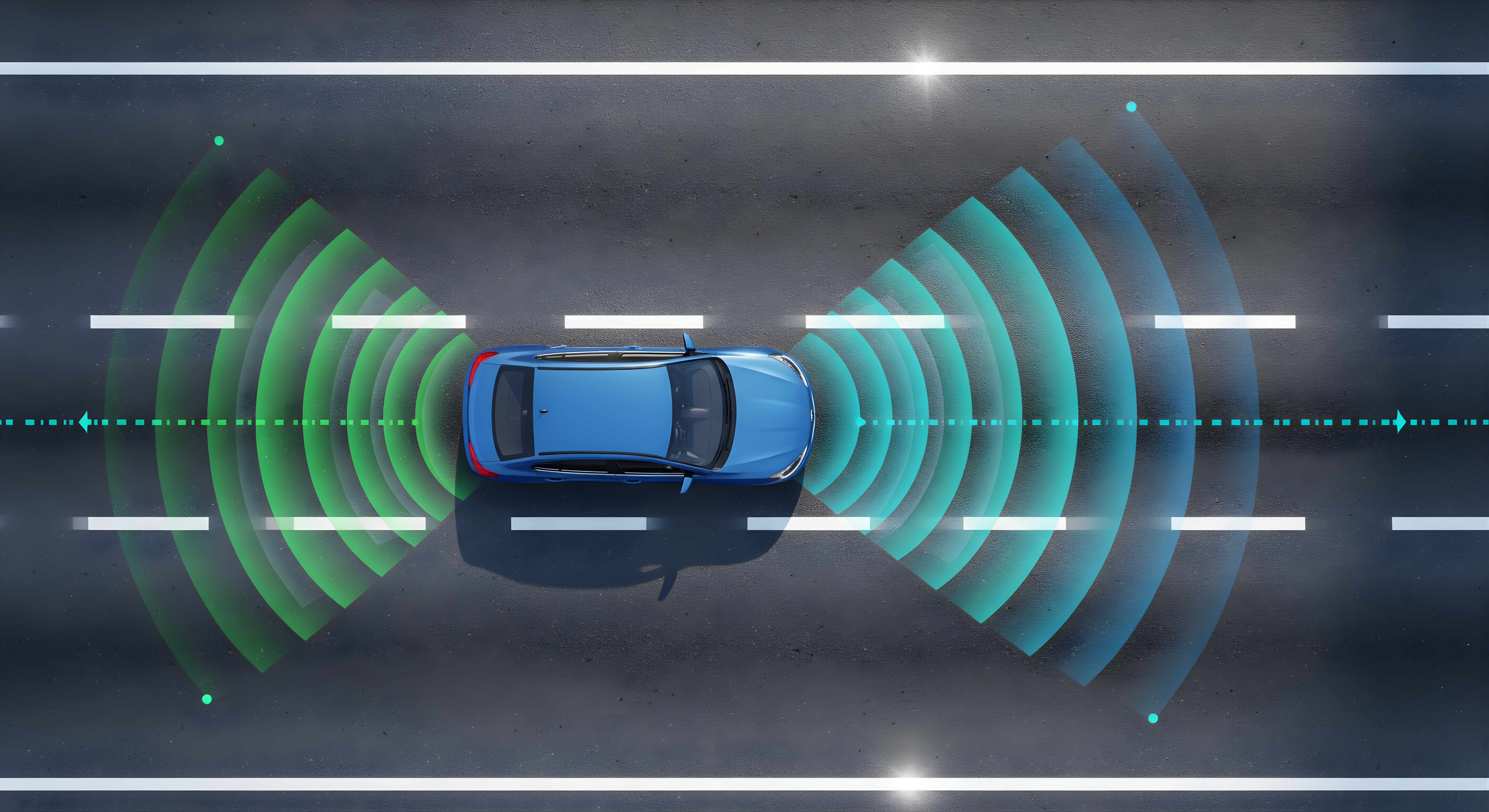
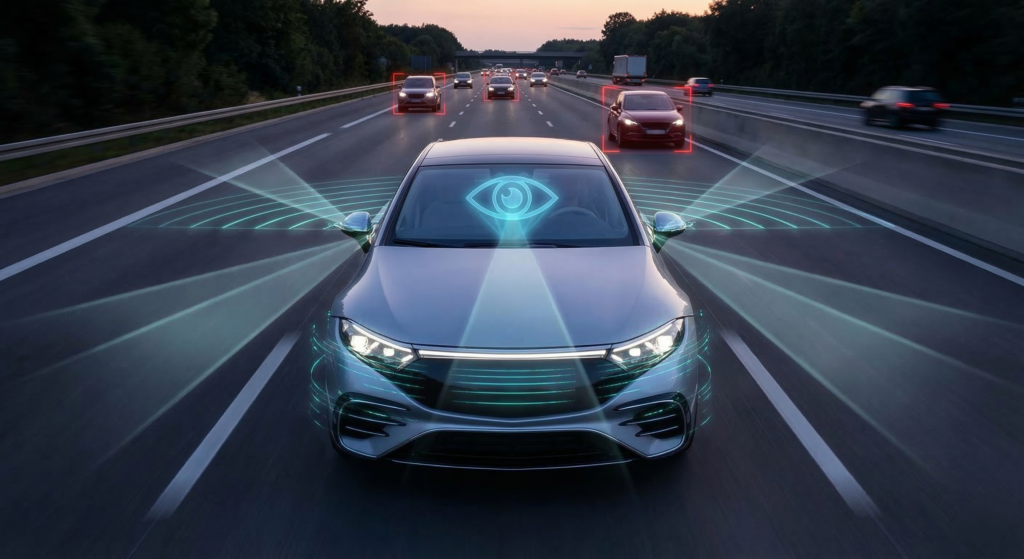
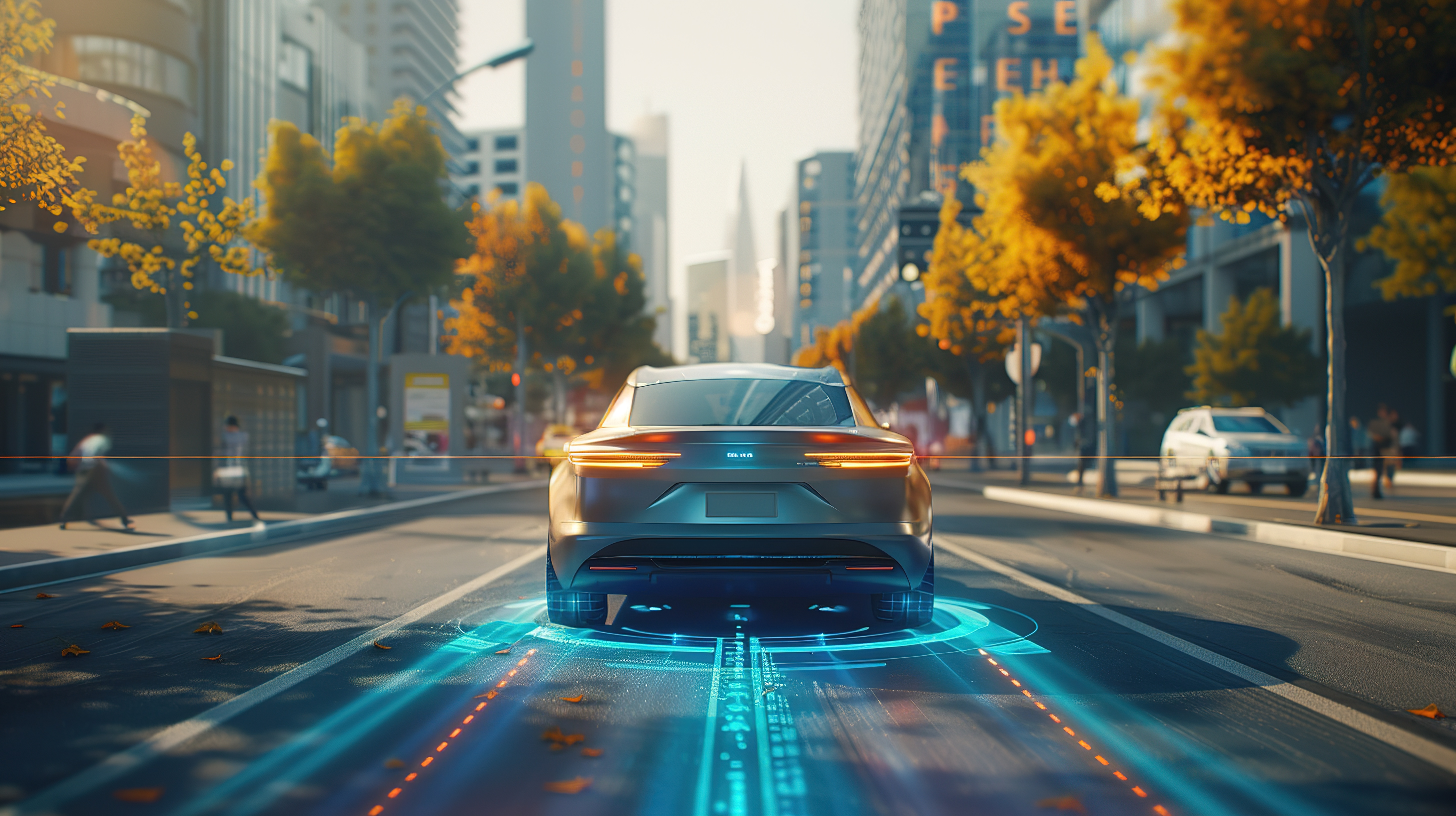
Advanced Driver Assistance Systems (ADAS) act as an intelligent safety net for today’s modern vehicles. These systems rely on a sophisticated network of cameras, sensors, and radar technology designed to constantly monitor your surroundings and assist you while driving. By providing a digital “second set of eyes” on the road, ADAS helps detect potential hazards that may not always be visible to the driver.
Many of these safety features depend on cameras that are mounted directly to or calibrated through the windshield, making proper installation and alignment essential whenever a windshield is repaired or replaced.
Deep Dive: Common ADAS Features We Service
Modern vehicles are equipped with various layers of protection, categorized by how they interact with the driver and the road.
Collision Avoidance & Mitigation
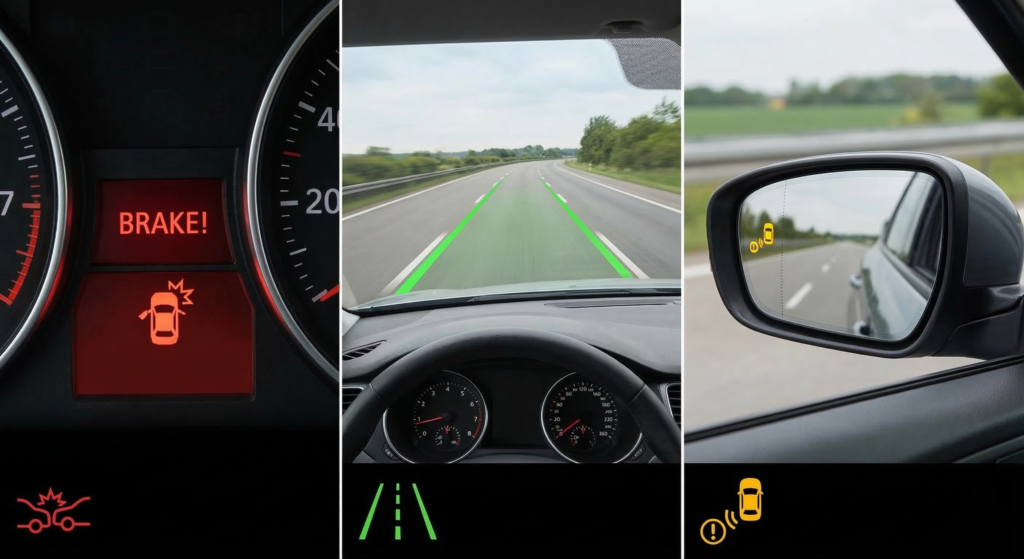
* Automatic Emergency Braking (AEB): This system detects slowed or stopped traffic ahead and automatically applies the brakes when a collision is imminent.
* Forward Collision Warning (FCW): Scans the road for potential collision risks with vehicles ahead and provides audible, visual, or tactile alerts to the driver.
* Automatic Emergency Steering: Also known as evasive steering assist, this system applies steering torque to avoid or mitigate a collision.
* Pedestrian Detection: In certain speed ranges (approx. 40 km/h), this system detects human movements in the vehicle's path to trigger warnings or braking.
* Rear Cross-Traffic Alert (RCTA): Warns of vehicles approaching from the side while you are reversing in parking lots or driveways.
* Forward Collision Warning (FCW): Scans the road for potential collision risks with vehicles ahead and provides audible, visual, or tactile alerts to the driver.
* Automatic Emergency Steering: Also known as evasive steering assist, this system applies steering torque to avoid or mitigate a collision.
* Pedestrian Detection: In certain speed ranges (approx. 40 km/h), this system detects human movements in the vehicle's path to trigger warnings or braking.
* Rear Cross-Traffic Alert (RCTA): Warns of vehicles approaching from the side while you are reversing in parking lots or driveways.
Lane Assistance & Highway Safety
* Lane Keep Assist (LKA): Provides active steering or braking support to prevent your vehicle from unintentionally drifting out of its lane.
* Lane Departure Warning (LDW): Alerts the driver with a warning if they are about to cross lane markings without a turn signal activated.
* Blind Spot Monitoring (BSM): Uses rear radar sensors to detect vehicles in adjacent lanes and provides warnings via side-mirror lights.
* Lane Departure Warning (LDW): Alerts the driver with a warning if they are about to cross lane markings without a turn signal activated.
* Blind Spot Monitoring (BSM): Uses rear radar sensors to detect vehicles in adjacent lanes and provides warnings via side-mirror lights.
Speed, Distance & Visibility Management
* Adaptive Cruise Control (ACC): This allows you to set a preferred speed and following distance, automatically slowing or accelerating based on the car ahead.
* Traffic Sign Recognition (TSR): Uses cameras to scan for speed limits, stop signs, and no-entry signs to keep the driver informed of local road rules.
* High Beam Assist: Automatically manages your headlamp beams based on lighting, surroundings, and traffic.
* Heads-Up Display (HUD): Projects vital safety alerts directly into the driver’s line of sight on the windshield.
* Traffic Sign Recognition (TSR): Uses cameras to scan for speed limits, stop signs, and no-entry signs to keep the driver informed of local road rules.
* High Beam Assist: Automatically manages your headlamp beams based on lighting, surroundings, and traffic.
* Heads-Up Display (HUD): Projects vital safety alerts directly into the driver’s line of sight on the windshield.
The Science of Safety: Precision ADAS Recalibration
When a windshield is replaced, the front-facing camera must be recalibrated to ensure the system "sees" the road with 100% accuracy. At TechSafe AutoGlass, we utilize the two primary methods required by manufacturers to return your vehicle to factory specifications:
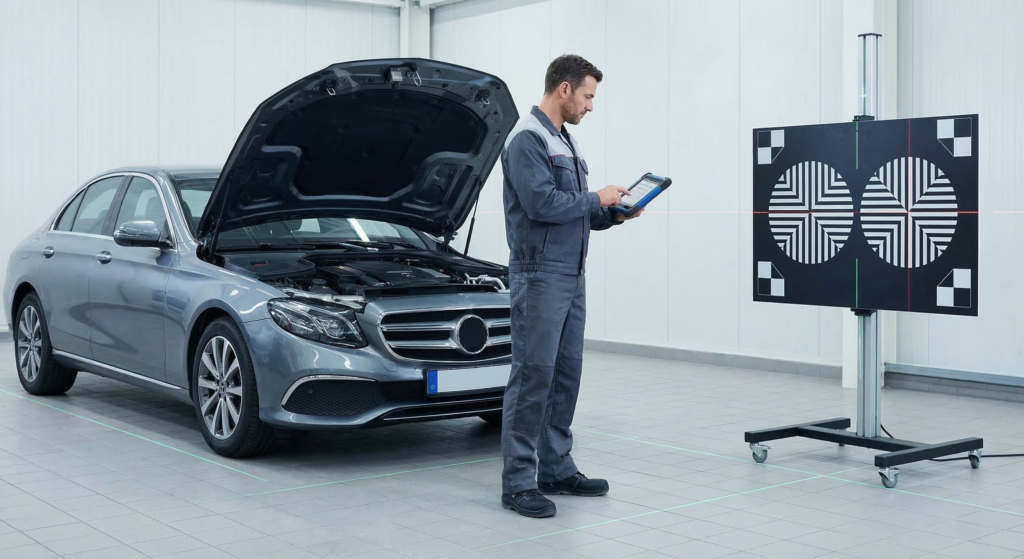
1. Static Calibration
This is a highly technical process performed in our controlled, level indoor facility. We set up manufacturer-specific targets and laser tools at exact distances to guide the sensors through a factory-spec alignment routine until they match the targets.
2. Dynamic Calibration
This involves connecting a diagnostic scan tool and driving the vehicle under specific conditions—such as a steady speed in a clear lane—allowing the sensors to "learn" their surroundings. The process is complete once dashboard indicators verify the systems are functional.
ADAS Frequently Asked Questions
When is recalibration necessary?
Almost all manufacturers require it after a windshield replacement. It is also vital after suspension modifications (lift kits/lowering), wheel alignments, or if sensors were unplugged during repairs.
What are the signs of misalignment?
Watch for false collision warnings, unprompted braking, or delayed sensor activation.
Do I have to go to the dealership?
No. Certified shops like TechSafe AutoGlass have the specialized equipment and trained technicians to perform full recalibrations, often at a better value.
How long does it take?
A professional installation combined with a full recalibration typically takes about 3–4 hours.
What is the cost?
Depending on the vehicle, recalibration usually ranges between $140 and $250.
Don’t Leave Your Safety to Chance
Improperly calibrated systems may fail to detect obstacles or cause false alerts, making drivers lose confidence in their vehicle's technology. Furthermore, insurance companies increasingly require documentation of completion to mitigate liability risks. Ensure your vehicle's safety features are ready for the QEII and beyond with Red Deer's local experts.